
Closed Cell Spray Foam Insulation in Waco, TX
Closed cell spray foam insulation is a professional insulation option for homes and buildings throughout Waco, Texas. Its dense structure provides strong thermal resistance, helps limit air leaks, and can support moisture control in areas such as attics, walls, crawl spaces, and metal buildings. Professional foam insulation contractors assess the property's construction and application area before using appropriate spray foam products, industry-standard equipment, and installation methods to support consistent coverage, energy efficiency, and indoor comfort.
Get A Free Quote
Contact Us
Professional Insulation Services
Closed Cell Foam for Demanding Applications
When a project requires high thermal performance and moisture resistance, closed-cell spray foam can be suited to demanding applications. The material commonly provides R-values in the R-6 to R-7 range per inch, depending on the specific product and installation conditions, making it a high-density option for Waco properties exposed to heat and humidity. The properties of closed cell spray foam include a rigid structure that can provide limited structural reinforcement to certain building assemblies, while its moisture-resistant characteristics help manage vapor and moisture in appropriate applications. Professional technicians also use the material for an effective air barrier, closing gaps that can allow conditioned air to escape. These characteristics can support energy efficiency and more consistent indoor comfort when the insulation is properly specified and installed.
Service
Available:
Commercial Spray Foam Insulation
Crawl Space Insulation
Metal Building Insulation
Open Cell Spray Foam Insulation
Spray Foam Attic Insulation
Fix Energy Loss Problems
Moisture, Air Leakage, and Insulation Concerns
Because moisture and air leakage can affect a home's comfort and building performance, this dense insulation material can provide thermal and air-sealing benefits for Waco properties. Its structure can resist water penetration and, when properly installed, help limit pathways for air and moisture movement. With R-values commonly around R-6 to R-7 per inch, the material provides substantial thermal resistance while helping reduce unwanted heat transfer through treated areas, including exterior walls and other assemblies where thermal bridging may occur. In areas such as a basement or crawl space, proper application can also help address conditions associated with humidity and potential water damage.
Professional technicians install the material around gaps, cracks, penetrations, and irregular spaces that may contribute to infiltration. An airtight seal can help reduce drafts and temperature differences between rooms while supporting more consistent airflow through the building. By sealing gaps, properly applied insulation can also help limit pathways for allergens from entering interior spaces, although indoor air quality depends on ventilation, filtration, moisture control, and other property conditions.
Efficient Installation Process
How Closed Cell Foam Is Applied
Site Preparation and Foam Activation
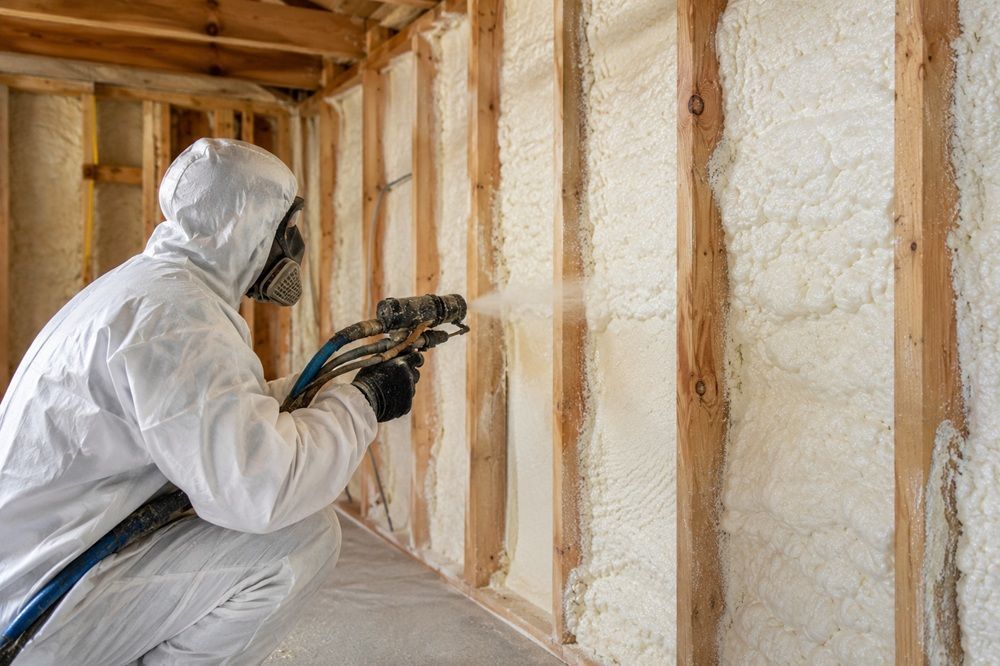
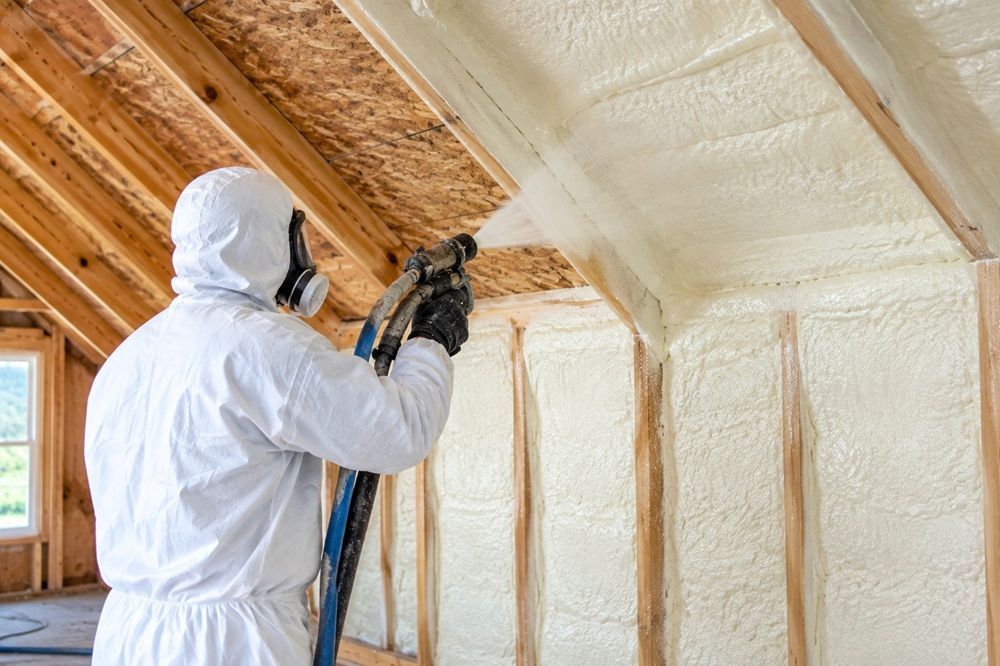
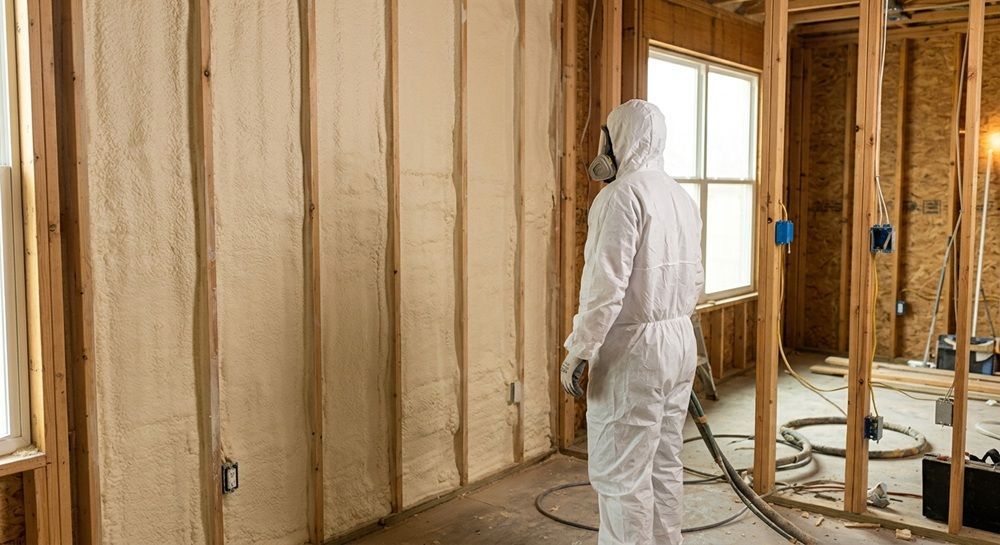
This type of polyurethane foam is applied with specialized professional-grade equipment that combines two chemical components at the spray gun, creating a reaction that allows the foam to expand and cure into a dense insulating barrier. Before application, a trained installer prepares the work area and inspects the substrate.
Surface Assessment and Controlled Application
Clean, suitable surfaces help the material develop proper bond strength. The application process is completed in controlled passes so the foam can fill appropriate gaps and wall cavities while creating a continuous air-sealing layer. Technicians monitor coverage, thickness, and application conditions throughout the project.
Quality Control and Intended Performance
To support consistent results. This attention to installation details is an important part of professional spray polyurethane foam installation, commonly referred to as SPF, and helps the cured material perform according to its intended application.
Cost Planning Guide
Closed Cell Spray Foam Cost Factors
Understanding project costs is an important part of planning closed cell insulation. Pricing can vary considerably based on the total area, desired thickness, accessibility, surface preparation, existing insulation, project conditions, and labor requirements. Because this material provides substantial R-value per inch, the required thickness should be determined according to the building assembly and performance objectives rather than a single standard price. Attics, ceilings, walls, crawl spaces, and other application areas can present different preparation and access requirements. During an insulation assessment, professional insulation contractors can evaluate these factors and explain how they affect the overall scope and installation cost for a property in Waco.
Trusted Local Professionals
Choosing Closed Cell Foam for the Project
Determining whether this insulation fits a project requires consideration of the building assembly, moisture exposure, available space, and desired thermal performance. Crawl spaces, attics, wall cavities, and other areas may benefit from its combination of high R-value, air sealing, and moisture resistance when the application is appropriate. Compared with open-cell foam, the denser material commonly provides greater R-value per inch and cures into a more rigid structure, making it useful where space is limited or moisture control is an important consideration. For properties with unvented assemblies, proper design and application are especially important to ensure the insulation works with the overall building system.
For homeowners focused on energy savings, the material's air-sealing properties can help reduce uncontrolled air movement and support more efficient heating and cooling, which may help lower energy consumption and manage energy costs when other building conditions are favorable. Trained insulation technicians evaluate the property and explain available insulation types and insulation solutions, including how existing fiberglass insulation or cellulose may affect the project. The goal is to select an approach that supports a comfortable home throughout the year.
Recent Insulation Projects
Recent Closed Cell Foam Projects
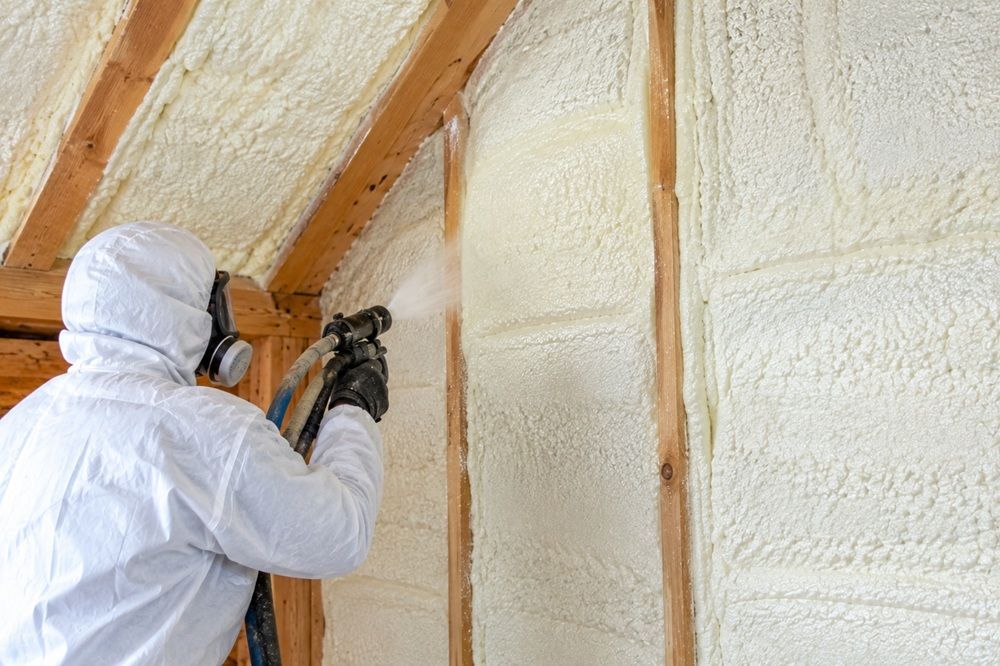
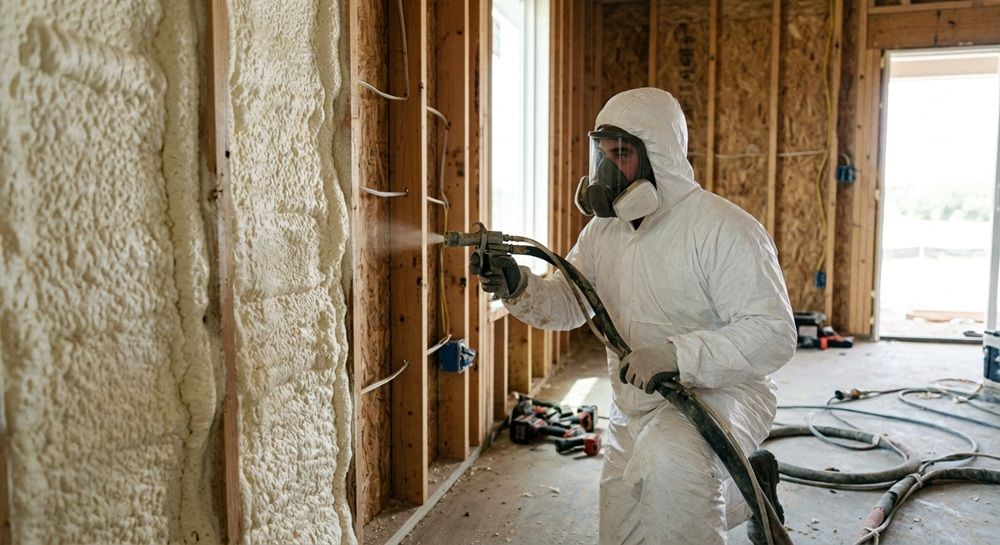
Recent insulation projects in Waco can include applications in crawl spaces, attics, walls, metal buildings, and other areas where thermal performance, air sealing, or moisture management are priorities. Each project requires consideration of the building design, existing insulation, substrate condition, access, and intended thickness. Crawl space applications may be particularly useful where humidity and air movement affect comfort or building performance, while other projects may focus on improving thermal resistance within walls and roof assemblies.
Project planning typically includes evaluating ventilation, existing insulation, moisture conditions, and areas where conditioned air may be escaping. Professional-grade equipment and controlled application methods allow trained technicians to work across different building assemblies while monitoring coverage and installation conditions. This process can also help address air leaks around penetrations, duct connections, and other areas where unwanted airflow may affect interior temperature.
These projects reflect the practical use of dense foam as part of professional insulation services. Experienced technicians apply industry-standard procedures and safety-focused practices to support consistent installation across residential and commercial properties throughout Waco. Proper application can contribute to long-lasting results and durability when the material is matched to the building assembly and installed under suitable conditions.
How much does closed cell spray foam insulation cost?
The cost depends on project size, foam thickness, access, surface preparation, existing insulation, and labor requirements. Closed cell foam commonly provides about R-6 to R-7 per inch, depending on the product and application. A professional evaluation helps determine the appropriate coverage and thickness while accounting for site conditions that can affect material and installation costs.
What is closed cell spray foam used for?
Closed cell spray foam is commonly used in walls, attics, crawl spaces, roofs, metal buildings, and other suitable assemblies where thermal insulation and air sealing are important. Its dense structure can also provide moisture resistance when properly installed. Trained technicians typically evaluate the building assembly, substrate condition, access, and application requirements before selecting an installation approach. Spray foam insulation also can be considered for specific areas where traditional insulation may not address air leakage as effectively.
How does closed cell foam compare with open cell foam?
Closed cell foam generally provides a higher R-value per inch and a denser structure than open cell foam. It also offers greater resistance to moisture movement and can be useful where space is limited or additional moisture control is needed. Open cell foam may be suitable for certain interior applications, particularly where greater expansion and sound absorption are desired. The appropriate choice depends on the building assembly and project requirements.
Is closed cell spray foam a good option for homes in Waco, TX?
Waco's hot temperatures and seasonal humidity make heat transfer, air leakage, and moisture management important insulation considerations. Closed cell foam may be appropriate for certain areas of a Waco home where higher thermal resistance and moisture resistance are needed. A professional assessment can account for the property's construction, existing home’s insulation, ventilation, and the specific areas requiring insulation.
Can closed cell foam be used on metal buildings?
Yes, closed cell spray foam can be applied to suitable metal building surfaces when the substrate is properly prepared and application conditions are appropriate. It can create a continuous insulating layer that helps reduce heat transfer and air movement while supporting condensation control. Professional installation procedures include evaluating the metal surface, preparing the substrate, and applying the foam with industry-standard equipment.
What affects the cost per square foot of closed cell foam?
Several factors influence the cost per square foot of closed cell foam insulation, including thickness, project size, accessibility, surface condition, existing insulation, preparation, and labor. Removing old insulation or preparing difficult-to-reach areas can add work before spraying begins. Because these conditions vary between Waco properties, a site-specific evaluation provides a more useful estimate than relying on a standard per-square-foot price.
How long does closed cell spray foam installation take?
Installation time varies based on the size of the project, application area, foam thickness, access, preparation needs, and whether existing insulation requires removal. Smaller projects may be completed more quickly, while larger residential or commercial applications can require additional preparation and installation time. Professional technicians can assess the property and explain the expected work sequence before the project begins.
Waco Spray Foam Pros
Request a Closed Cell Foam Estimate
Property owners considering closed cell insulation can request an evaluation from local insulation professionals serving Waco, Texas. Technicians can assess attics, walls, crawl spaces, metal buildings, or new construction areas to determine where this material may support thermal performance, air sealing, and moisture management. These services can help homeowners explore spray foam insulation Waco properties may need based on their building design and specific insulation concerns.
During the evaluation, professional service specialists can review air-sealing opportunities, moisture concerns, existing insulation, substrate conditions, and the building assembly. This assessment helps identify suitable application areas and determine the material thickness and preparation requirements for the project, including areas where water infiltration or unwanted airflow may need attention. The resulting plan can help support a comfortable home year-round while addressing the property's specific insulation needs.